



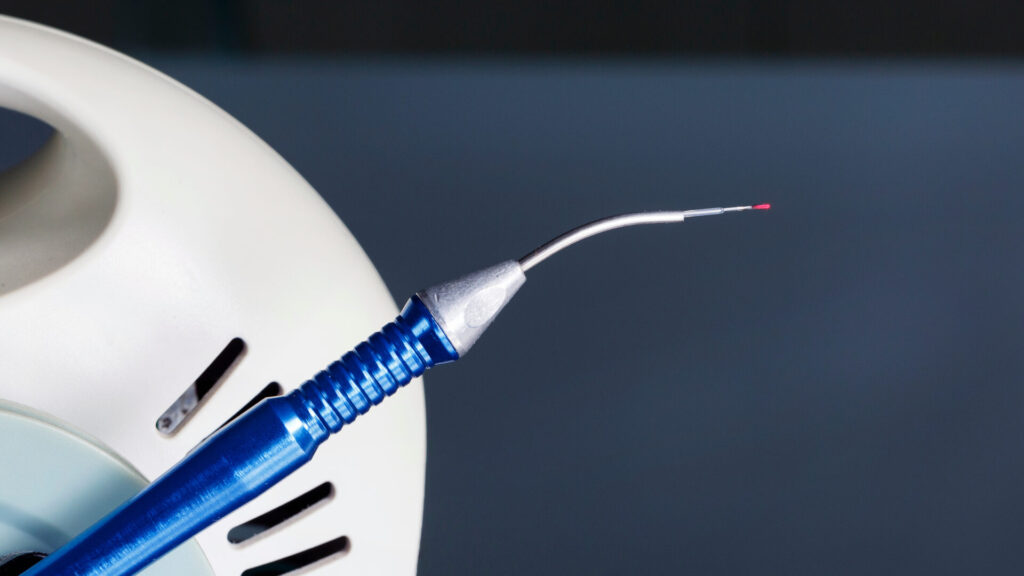
Dental technology continues to evolve, giving dentists additional tools to assess and treat certain oral health conditions. One example is laser dentistry, which uses focused light energy for specific dental procedures. Depending on the equipment and treatment involved, dental lasers may be used for selected soft-tissue procedures and other applications. Patients may hear about laser technology when exploring treatment options and wonder how it works, whether it is suitable for their needs, and how it compares with conventional techniques. At Dr. Peter Gunn’s dental practice in Port Rowan, laser dentistry is among the technologies offered as part of a broader range of dental services. Understanding the basics can help you have a more informed conversation with your dental team.
What Is Laser Dentistry?
Laser dentistry involves using a dental laser to deliver concentrated light energy to a targeted area of the mouth. Different laser systems are designed for different purposes, and their applications depend on the equipment, the tissue being treated, and the procedure being performed. Some lasers are designed primarily for soft tissues, such as the gums, while others can be used for certain hard-tissue applications. Laser dentistry is not one single treatment, nor is it a replacement for every conventional dental instrument. Instead, it is an additional tool that a dentist may use when it is appropriate for the procedure and the patient’s individual circumstances.
How Are Dental Lasers Used?
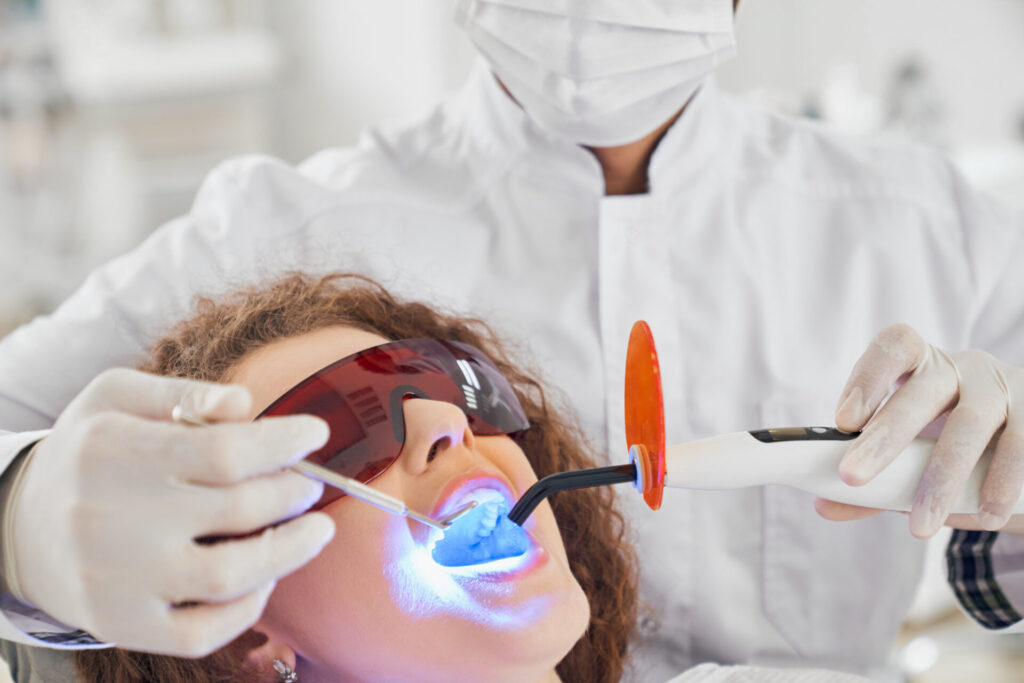
Dental lasers have several potential applications in dentistry, although not every laser can perform every type of procedure. Depending on the equipment and the dentist’s training, lasers may be used for selected gum treatments, soft-tissue procedures, and certain other dental applications. The purpose may be to remove or reshape tissue, assist with a specific treatment step, or target a particular area. Whether a laser is suitable depends on the clinical problem being addressed. If your dentist recommends a procedure involving laser technology, ask which part of the treatment will use the laser, what the expected benefits are, and whether alternative techniques are available.
What Are the Potential Benefits of Laser Dentistry?
For certain procedures, laser technology may offer advantages such as precise targeting of tissue and reduced bleeding in selected soft-tissue applications. Some treatments may also involve less disruption to surrounding tissues, depending on the procedure and the equipment used. However, the benefits vary, and laser dentistry should not automatically be described as painless, faster, or better than conventional treatment in every situation. The most appropriate technique depends on the dental problem, the patient’s oral health, and the dentist’s clinical assessment. Rather than choosing a treatment based on the technology alone, discuss the expected outcomes, limitations, and alternatives with your dental team.
Is Laser Dentistry More Comfortable Than Traditional Treatment?
Comfort depends on the procedure being performed, the area being treated, and the individual’s sensitivity and dental needs. Some laser procedures may reduce discomfort or bleeding in particular circumstances, but other treatments may still require local anesthetic or conventional dental instruments. Laser technology does not eliminate the need for appropriate pain management, careful treatment planning, or follow-up care. If you feel nervous about a dental procedure, tell your dentist before treatment begins. The team can explain what you should expect, discuss available comfort measures, and help you understand whether laser technology is relevant to your treatment plan.
Can Laser Dentistry Treat Gum Problems?
Certain dental lasers are used in selected soft-tissue procedures involving the gums. However, gum disease is a complex condition that requires an appropriate diagnosis and a treatment plan based on its severity. Treatment may involve professional cleaning, periodontal care, improved home hygiene, and other procedures depending on the condition of the gums and supporting structures. Laser technology may have a role in some circumstances, but it is not a universal replacement for established periodontal treatments. If your gums bleed regularly, appear swollen, or have started to recede, arrange a dental assessment to determine the cause and discuss the most suitable treatment options.
Is Laser Dentistry Suitable for Every Patient?
No single dental technique is appropriate for every patient or every procedure. Whether laser treatment is suitable depends on the condition being treated, the type of laser available, the dentist’s training, and individual clinical considerations. Some situations may be better managed with conventional instruments or another approach. Your medical history, oral health, and any previous dental treatment may also influence the recommendations you receive. If laser dentistry interests you, ask your dentist whether it is relevant to your particular concern rather than assuming it will be used for every appointment.

What Questions Should You Ask Your Dentist About Laser Treatment?
Before agreeing to a dental procedure, it is reasonable to ask how the treatment works and why it has been recommended. If laser technology is being considered, ask what the laser will accomplish, what benefits are expected, whether local anesthetic will be needed, and what alternatives are available. You can also ask about recovery, aftercare, possible risks, and any restrictions following the procedure. Understanding these details helps you make an informed decision and sets realistic expectations. A good treatment discussion should focus on your oral health needs and the expected clinical outcome, not simply on whether a particular technology is being used.
How Does Laser Dentistry Fit Into Modern Dental Care?
Laser dentistry is one part of a broader range of tools available to dental professionals. Digital imaging, intraoral scanning, modern restorative materials, and other technologies can also support assessment and treatment planning. Each tool serves a different purpose, and the value of any technology depends on how appropriately it is used. A practice that offers several technologies can consider different approaches when planning care, but the right choice still depends on the patient’s diagnosis and goals. At Dr. Peter Gunn’s practice, patients can explore the available options and discuss how the clinic’s technology may relate to their individual dental needs.
Explore Your Dental Treatment Options in Port Rowan
Learning about dental technology can help you ask better questions and feel more confident about your dental care. Laser dentistry may be useful for certain procedures, but its suitability depends on the treatment required and the equipment available. If you are curious about laser treatment or have a dental concern that needs attention, the team at Dr. Peter Gunn’s practice can explain the services offered and help you understand your options. Visit the practice’s dental services page or contact the office to discuss your needs and arrange an appointment.